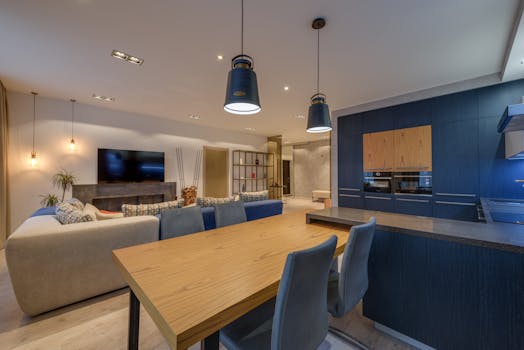
The Evolving Heart of the Home: What Does “Modern Dining Room Design” Truly Mean Today?
- Posted on October 23, 2021

In a world that constantly reinvents itself, how do we define a “modern dining room design”? Is it merely about sleek lines and minimalist aesthetics, or does it delve deeper into how we actually live and connect? The dining room, once a formal stage for elaborate meals, has transformed. It’s now a versatile hub – a place for quick breakfasts, lively homework sessions, intimate conversations, and yes, still those special gatherings. Understanding this shift is key to crafting a space that feels both current and genuinely welcoming.
Beyond the Table: Rethinking the Core of Your Dining Space
The traditional dining room often felt like a separate entity, reserved for occasions. Modern design, however, seeks to integrate this space more fluidly into the rest of the home. Think about the flow from your kitchen or living area. Does the dining room feel like an afterthought, or a natural extension? This seamless integration is a hallmark of contemporary living. It’s less about isolating the act of dining and more about making it an accessible, everyday pleasure.
What if the “modern” aspect isn’t just about the furniture’s silhouette, but about its adaptability? Consider a table that can expand for guests or a sideboard that cleverly conceals modern storage solutions. These aren’t just practical features; they speak to a design philosophy that prioritizes versatility and ease of use.
Materials Matter: Crafting Tactile and Timeless Atmospheres
When we discuss modern dining room design, the choice of materials plays an pivotal role. We’re moving beyond sterile, cold finishes. Today’s modern spaces embrace warmth and texture. Think about the interplay of natural wood grains with polished concrete or the subtle sheen of brushed metals. It’s about creating a sensory experience.
Wood: From light oak to rich walnut, its natural beauty adds organic warmth.
Stone & Concrete: These provide a grounded, sophisticated feel, often balanced with softer elements.
Glass & Metal: Used judiciously, they introduce light, reflection, and a touch of industrial chic.
Textiles: Upholstered chairs, textured rugs, and even drapery bring in comfort and visual interest, softening sharper architectural lines.
I’ve often found that a well-chosen rug beneath the dining table can do more than just define the space; it can anchor the entire room and add a layer of plush comfort underfoot. It’s these tactile details that transform a room from merely functional to truly inviting.
Lighting as the Unsung Hero of Ambiance
The right lighting can dramatically alter the perception of a dining room. It’s not just about illumination; it’s about setting a mood. In modern dining room design, layering light sources is crucial. A statement pendant light over the table is often the focal point, but it shouldn’t be the only source.
Ambient Lighting: General illumination from ceiling fixtures or recessed lights.
Task Lighting: Focused light, perhaps from a buffet lamp or wall sconces, for activities like serving or reading.
Accent Lighting: To highlight artwork or architectural features, adding depth and interest.
Consider dimmable switches for all your fixtures. This simple addition allows you to tailor the atmosphere for different occasions – bright and airy for a brunch, or soft and intimate for a romantic dinner. It’s about empowering the user to control the mood of their space.
Flexible Layouts for Dynamic Lifestyles
Is your dining room solely for formal dinners, or does it double as a workspace, a craft area, or even a casual lounge? Modern living demands flexibility, and modern dining room design reflects this. We’re seeing a move towards open-plan living where the dining area is a natural part of a larger, interconnected space.
This doesn’t mean sacrificing definition. Area rugs, strategic furniture placement, and clever lighting can delineate the dining zone within an open floor plan. Furthermore, furniture choices can enhance flexibility. For example, a round dining table can feel more convivial and is often easier to navigate in smaller spaces.
Another aspect to ponder is the “dining nook” or a breakfast bar integrated into the kitchen island. These options cater to more casual, everyday dining needs, demonstrating that modern design isn’t a one-size-fits-all approach. It’s about adapting to the rhythm of your household.
The Art of Curated Simplicity: Less is More, But Meaningful
A common misconception about modern design is that it equates to stark emptiness. However, true modern aesthetics often champion curated simplicity. This means each item in the room serves a purpose, whether functional or decorative, and is chosen with intention.
Think about the visual weight of your furniture. Oversized, ornate pieces can quickly feel out of place. Instead, focus on clean lines and well-proportioned items. The “modern dining room design” ethos encourages you to ask: does this piece enhance the space, or does it clutter it?
Statement Pieces: A single, striking piece of art or a unique sculptural lamp can add personality without overwhelming the room.
Intentional Decor: Instead of filling surfaces with trinkets, opt for a few carefully selected items that hold meaning or visual appeal.
Color Palette: Often, modern spaces utilize a restrained color palette, allowing textures and forms to take center stage. However, pops of color can be incredibly effective when used thoughtfully.
It’s interesting to note how a well-placed plant can breathe life into an otherwise minimalist setting, adding that touch of natural vibrancy that modern design often seeks.
Final Thoughts: Embrace Adaptability and Authenticity
Ultimately, the most successful modern dining room design is one that reflects your unique lifestyle and values. It’s about creating a space that is not only aesthetically pleasing but also functional, comfortable, and conducive to connection. Don’t be afraid to question traditional norms and experiment with what truly works for you and your family.
As you reimagine your dining area, ask yourself: how can this space better serve the way I live and entertain today? By focusing on adaptability, quality materials, thoughtful lighting, and a curated approach to decor, you can craft a dining room that is a true heart of your home.
Rethink your dining space. Discover the evolving principles of modern dining room design for functionality, style, and connection.